
What Two Weeks in India and Sri Lanka Taught Me About AI and the Future of Entrepreneurship
What Two Weeks in India and Sri Lanka Taught Me About AI and the Future of Entrepreneurship
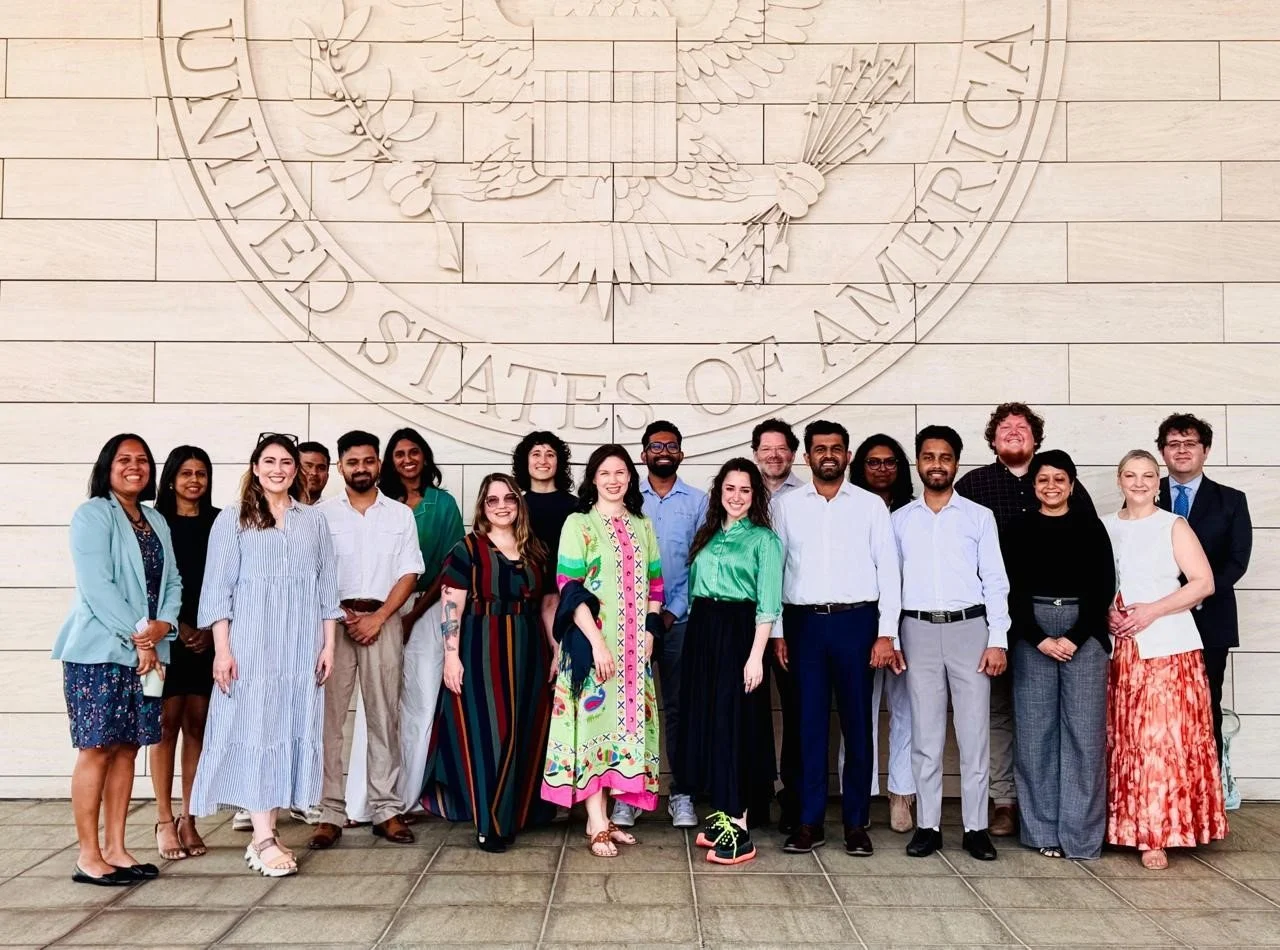
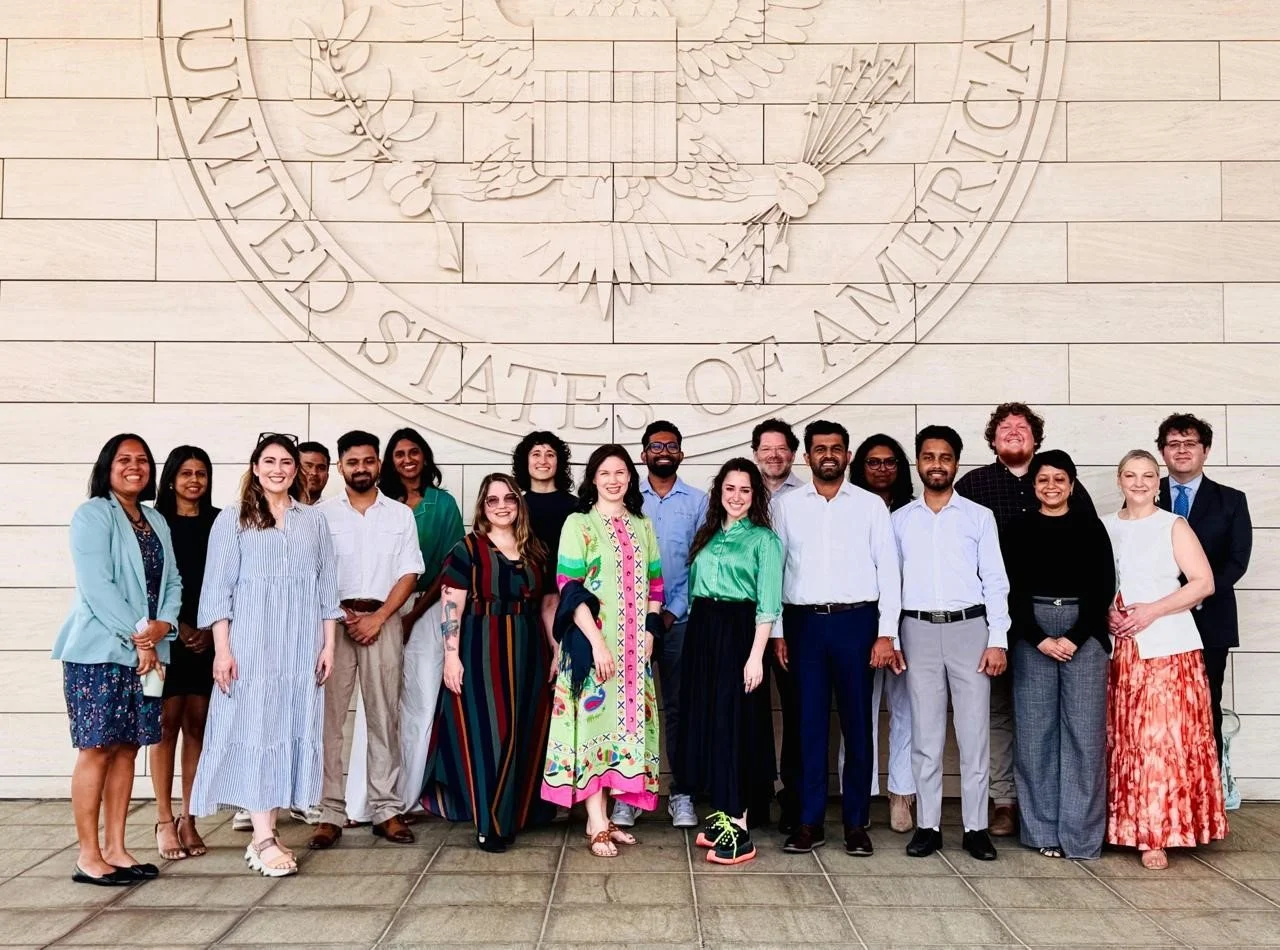
Photo of the Professional Fellows and U.S. Embassy staff taken at the U.S. Embassy in Colombo, Sri Lanka on January 27, 2026
Earlier this year I had the opportunity to travel to India and Sri Lanka as part of the Professional Fellows Program, funded by the U.S. Department of State and administered through the University of Oklahoma Gaylord College of Journalism and the Ronnie K. Irani Center for the Creation of Economic Wealth. The goal of the program is simple but powerful: connect entrepreneurs and leaders across borders in ways that strengthen economic collaboration and civic diplomacy.
In practice, that meant two weeks filled with conversations about business, technology, culture, and opportunity. More importantly, it meant building real relationships.
One of the reasons this trip felt especially meaningful for me was because it continued a relationship that actually started months earlier in Oklahoma. Last October, I had the opportunity to host Sri Lankan entrepreneur Banu Athuraliya in Oklahoma City as part of the same fellowship exchange. When fellows come to the U.S., we host them for about five weeks and introduce them to the local business ecosystem. That includes meeting leaders across industries, visiting companies, learning how different markets operate, and exploring opportunities for collaboration.
In Banu’s case, our professional focus aligned almost perfectly. We both work in technology and artificial intelligence, which made the conversations easy and energizing right away. Over the course of those five weeks we spent a lot of time discussing how our work overlaps and where there might be opportunities to build something together. By the end of the program we had decided to form a joint venture partnership that allows us to continue collaborating and creating value for clients in both of our markets.
So when I arrived in Sri Lanka months later, it did not feel like visiting a stranger’s country. It felt more like visiting a colleague and friend in his home environment.
India: Scale, Energy, and Perspective
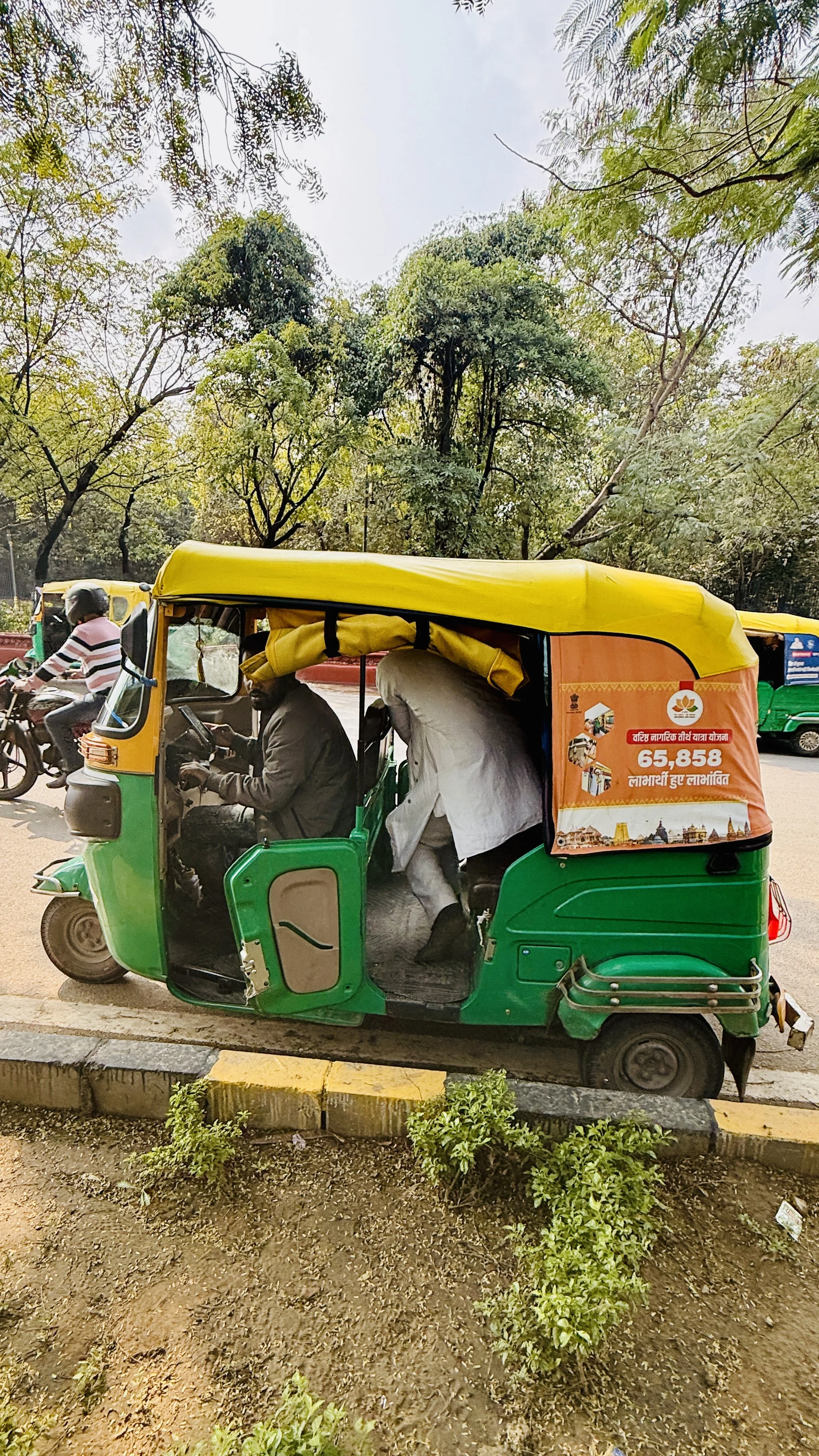
Our first stop was India, where we spent time in New Delhi and Jaipur. One of the first things that really puts the country into perspective is the scale. India’s population is roughly 1.8 billion people. When you are standing in the middle of New Delhi, you can feel that energy everywhere. The movement, the traffic, the pace of life. It is a completely different rhythm than what most of us experience day to day.
Despite the scale, the entrepreneurial conversations felt very familiar. We met with founders, leaders, and organizations working to solve real problems in their communities. Technology, market expansion, workforce challenges, policy, and global collaboration were all topics that came up repeatedly. It reinforced something that became a theme throughout the trip. Entrepreneurs around the world are navigating many of the same challenges, even if the environments look very different.
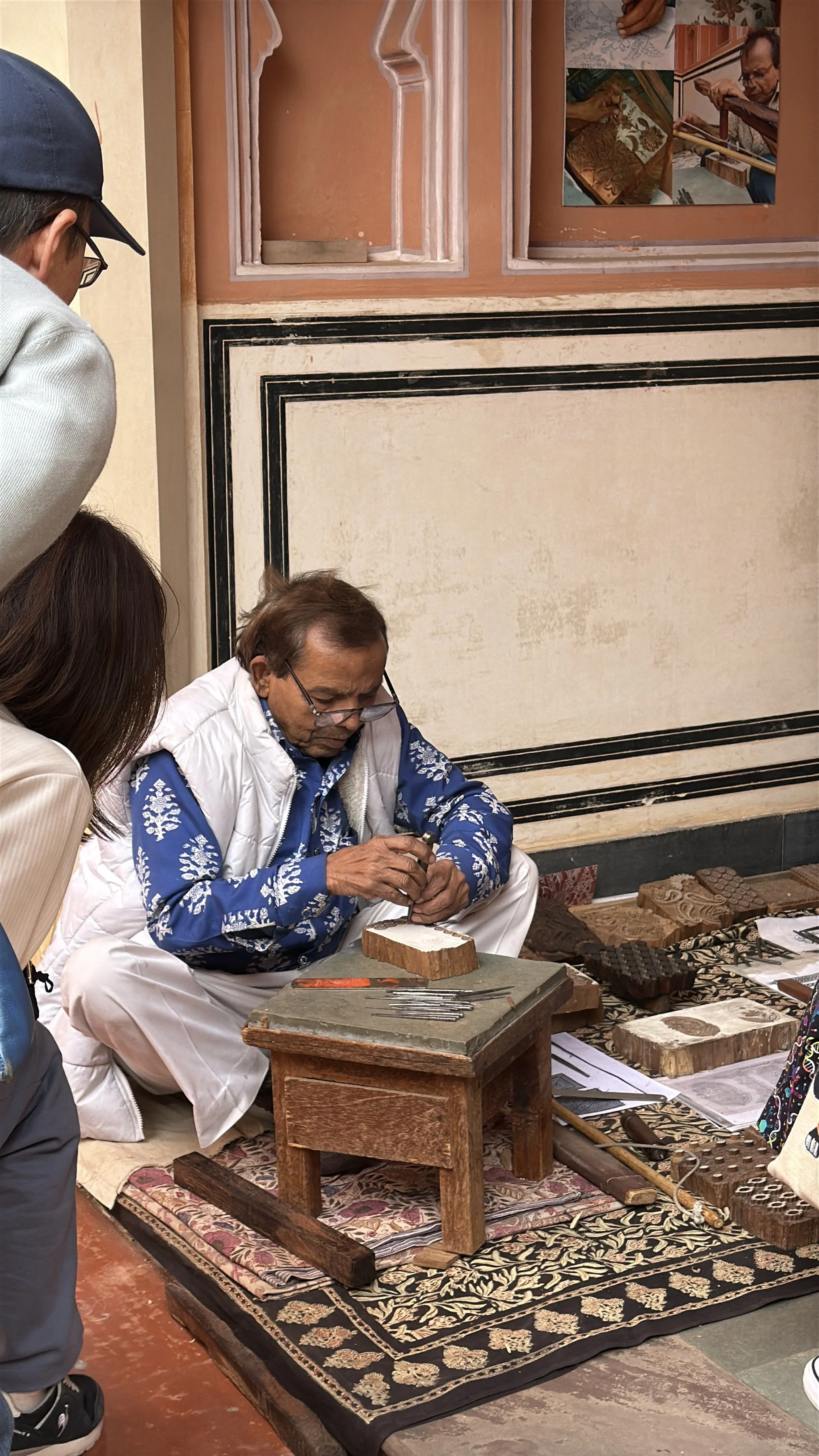
During one of our meetings in India, we ended up in a surprisingly thoughtful debate about the definition of “handicraft.” What started as a simple conversation about production turned into a deeper discussion about tradition, labor, authenticity, and scale. Hearing how our counterparts defined handicraft within their cultural and economic context was fascinating. It was one of those conversations I wish we could have continued longer.
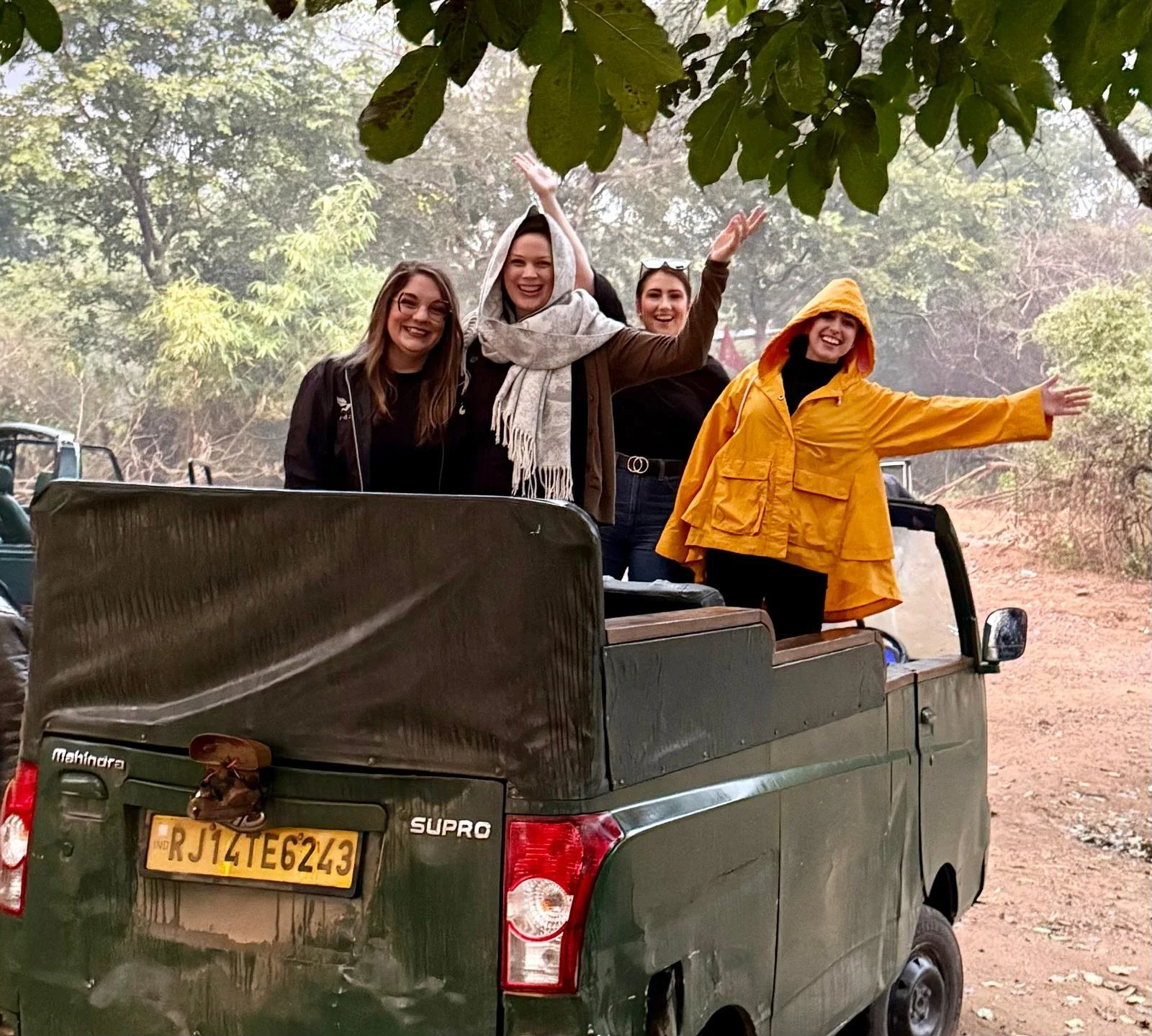
One of the most memorable experiences in India was completely unexpected. During a Jaguar safari, the weather suddenly turned. It started pouring rain, the temperature dropped, and the entire landscape shifted. At one point a massive bolt of lightning struck the ground just ahead of us and missed the jeep carrying our colleagues by what felt like about six inches. Everyone froze for a moment and then the adrenaline kicked in. It was the kind of experience you do not forget.
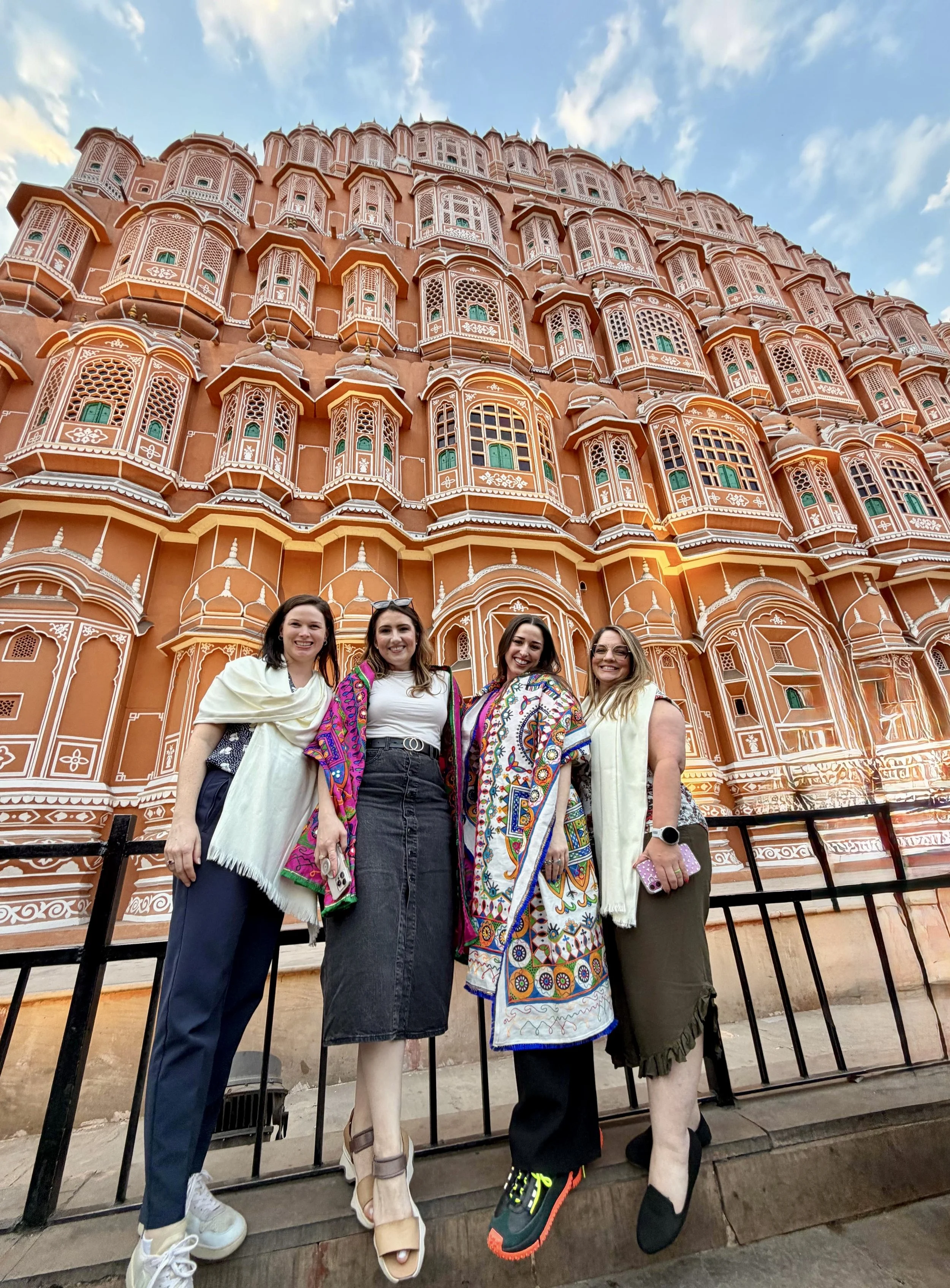
Another moment that stands out was the train ride from New Delhi to Jaipur. The journey took about five hours and felt like stepping into a completely new experience. None of us quite knew what to expect, but we all just rolled with it. Somewhere along the way the entire group ended up laughing harder than we had in a long time. Sometimes the best parts of travel are not the formal meetings or structured events, but the unexpected moments in between.
Sri Lanka: Innovation, Hospitality, and Connection
The second leg of the trip took us to Sri Lanka, where the experience expanded even further.
Our schedule was intentionally designed to blend business, cultural experiences, and relationship building. Some moments were spent inside boardrooms discussing innovation and entrepreneurship. Other moments had us walking through markets, visiting temples, and experiencing daily life in Colombo and beyond. That balance made the experience especially meaningful because it gave us a fuller understanding of the country and its people.
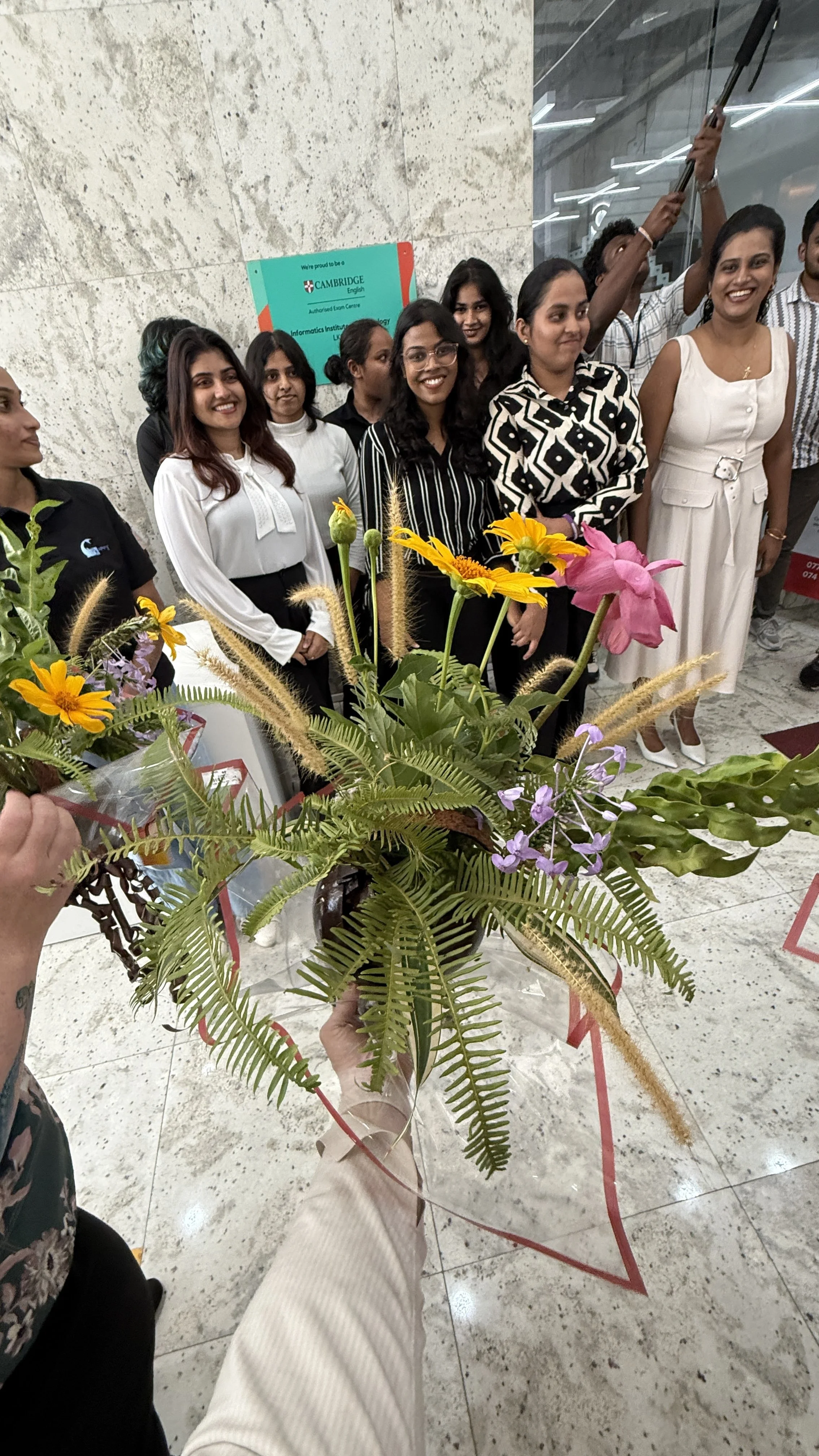
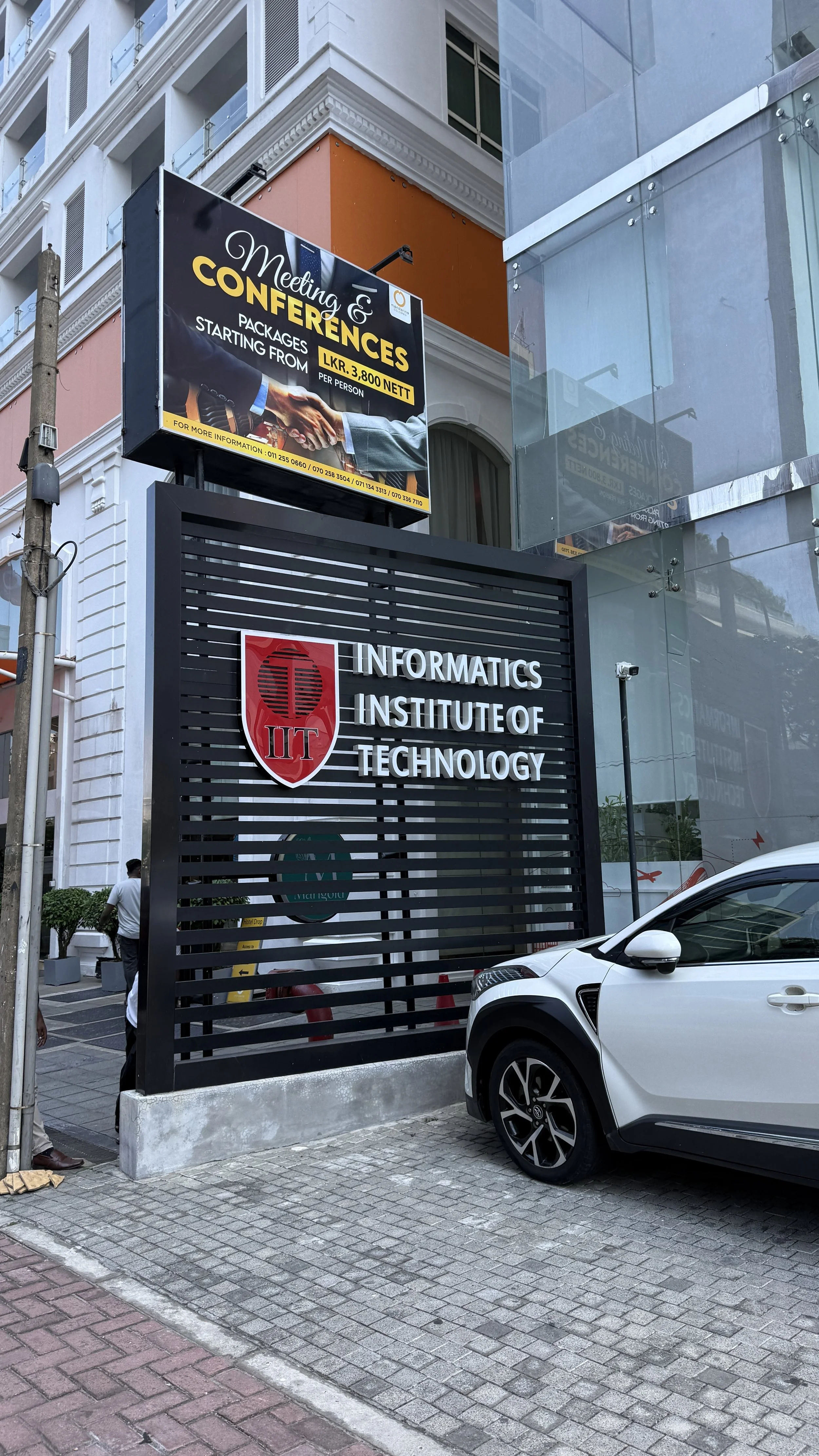
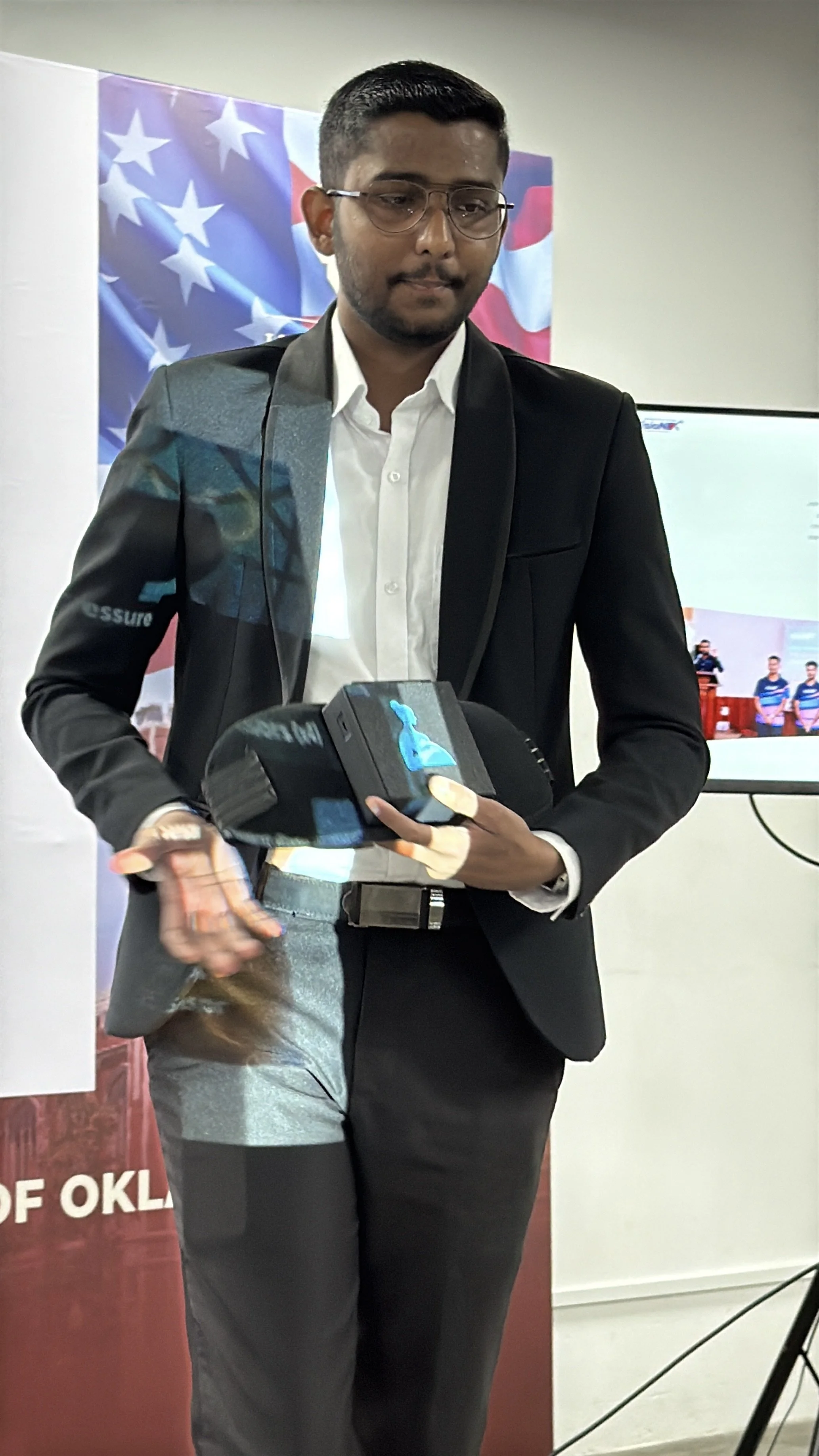
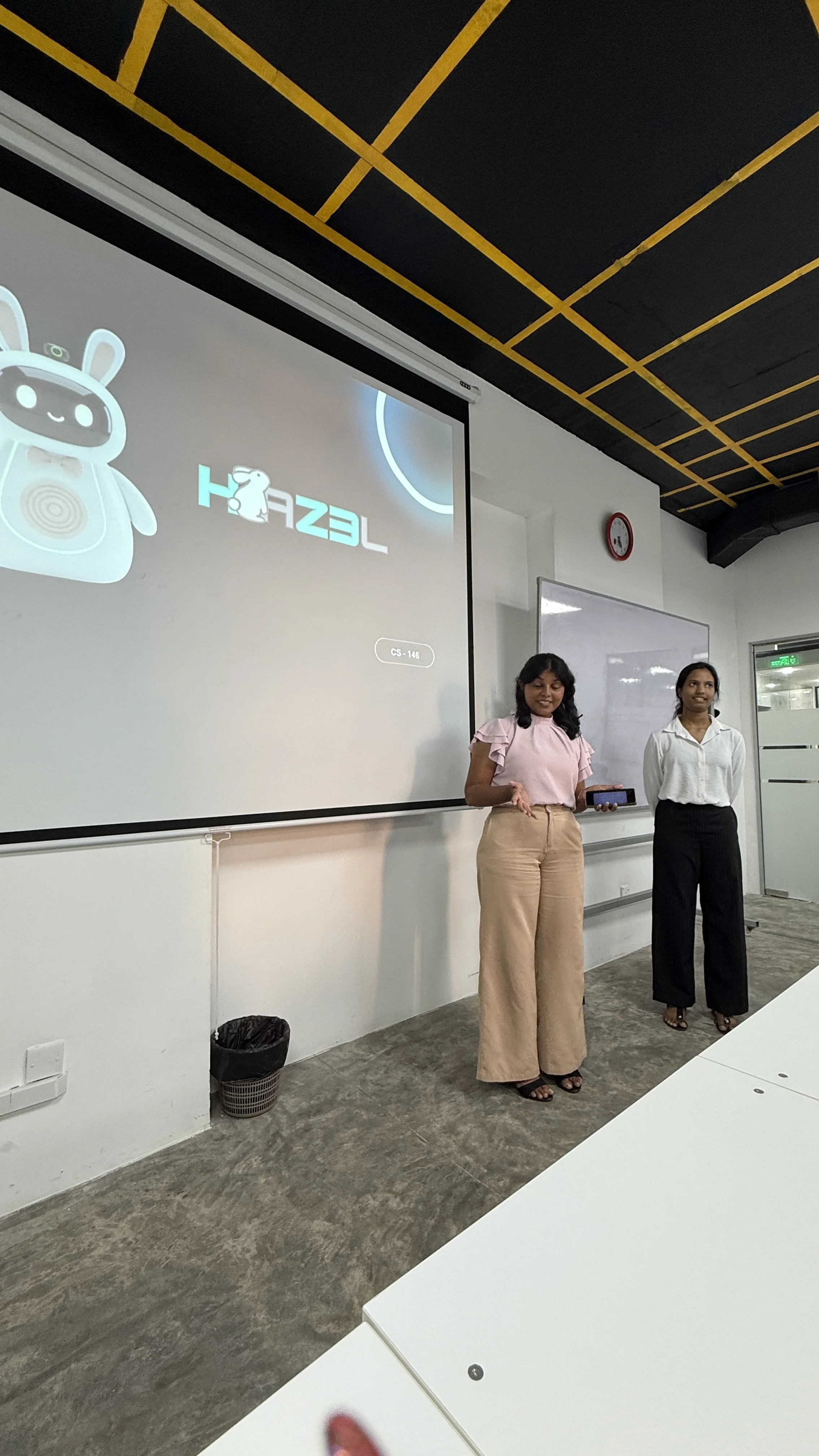
One of my favorite parts of the Sri Lanka portion of the trip was visiting the Institute of Information Technology. There we had the opportunity to hear from student entrepreneurs who are part of the entrepreneurship curriculum taught by Banu. The students pitched their businesses to us just like they would in a real investor setting. Several of the startups were operating in industries similar to our own, which made the conversations even more engaging. We were able to ask questions, share feedback, and offer insights from our own experiences. It was genuinely fun and incredibly encouraging to see the next generation of founders thinking boldly about what they want to build.
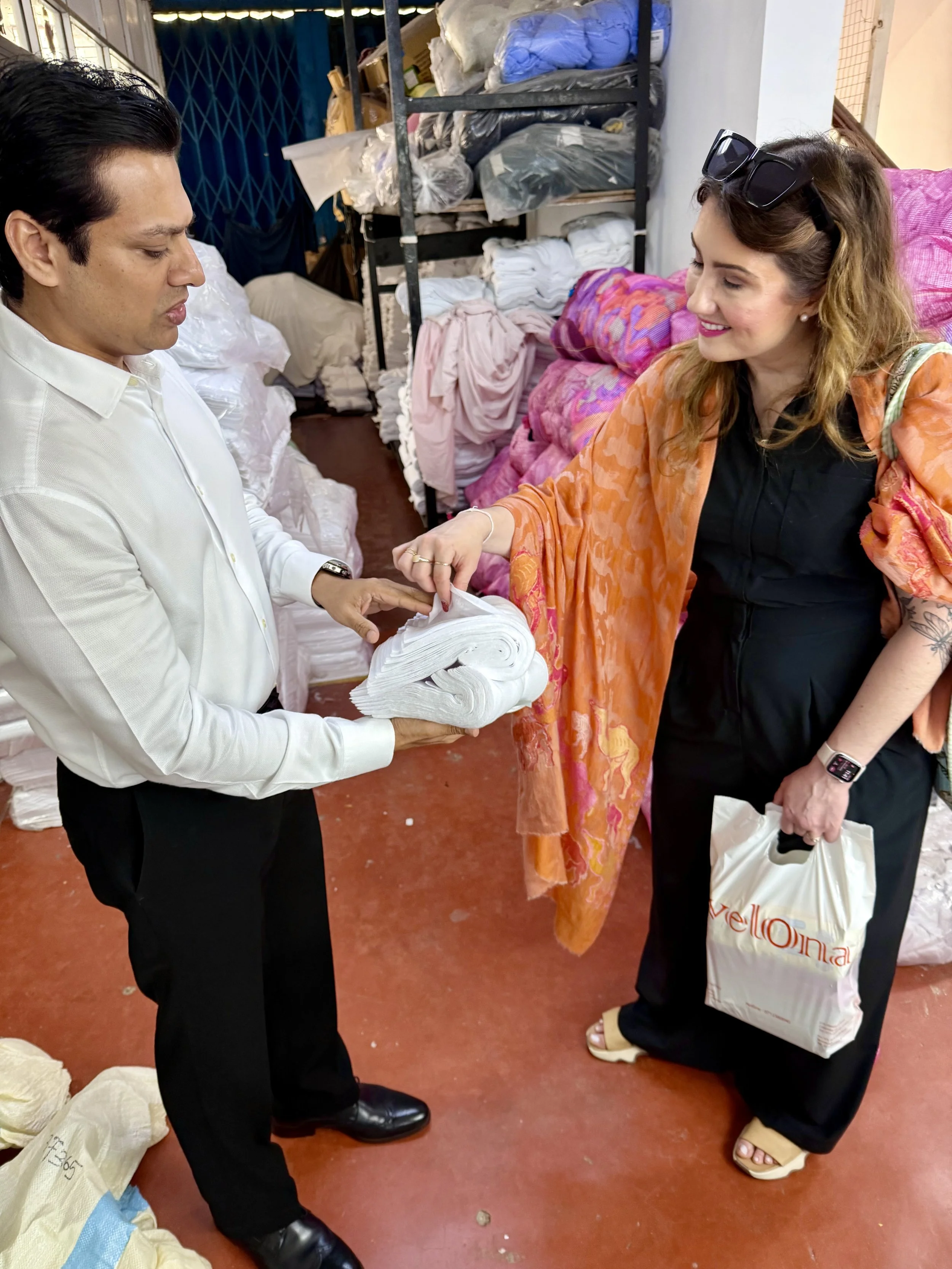
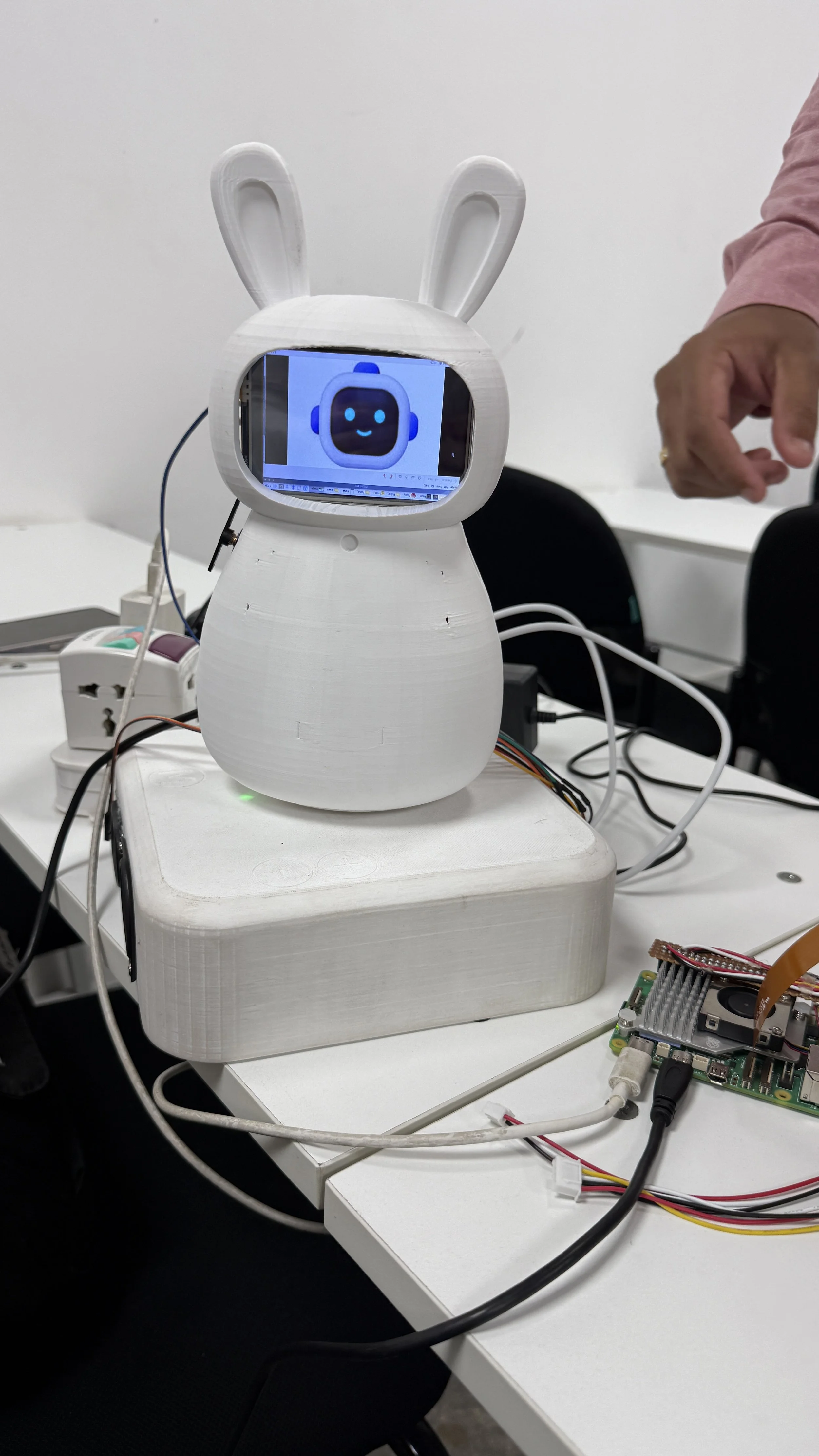
Another company visit that stood out was Velona, the number one brand of diapers and wipes in Sri Lanka. Their team walked us through how they are experimenting with bamboo-based materials that are completely biodegradable. Seeing that level of innovation applied to a product used by millions of families was impressive. It was a reminder that sustainability and forward thinking product development are happening everywhere.
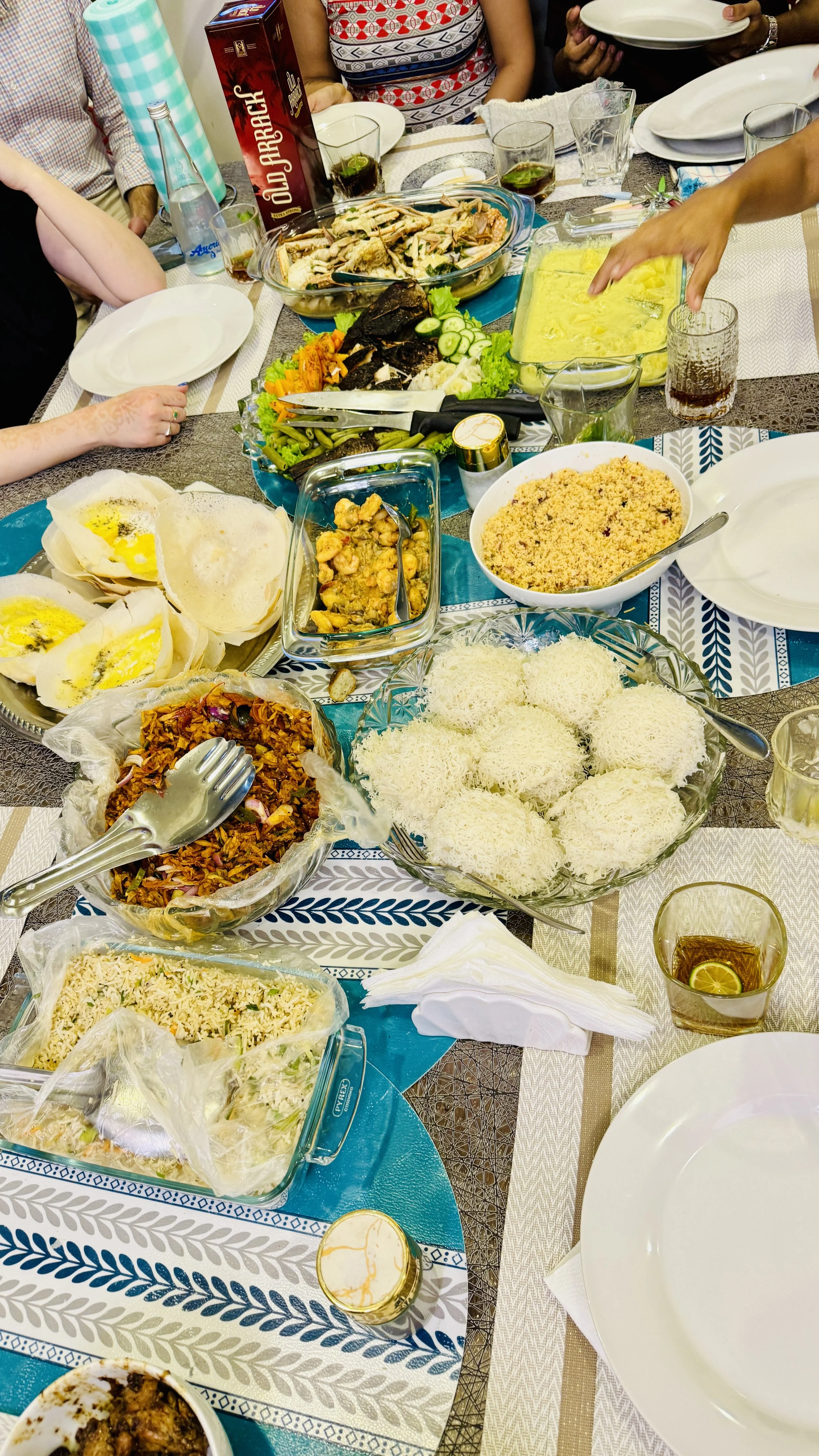
A highlight for me personally was dinner at Banu’s home. Out of everything we experienced during the trip, that evening might have been my favorite. The meal looked like something straight out of a food magazine. Fresh crab, kottu, pol roti, pol sambal, biryani, curry, and more dishes than I could possibly name filled the table. Everything was incredible. What made it even more special was meeting his family and experiencing Sri Lankan hospitality in such a genuine way. It felt less like an event and more like being welcomed into someone’s home.
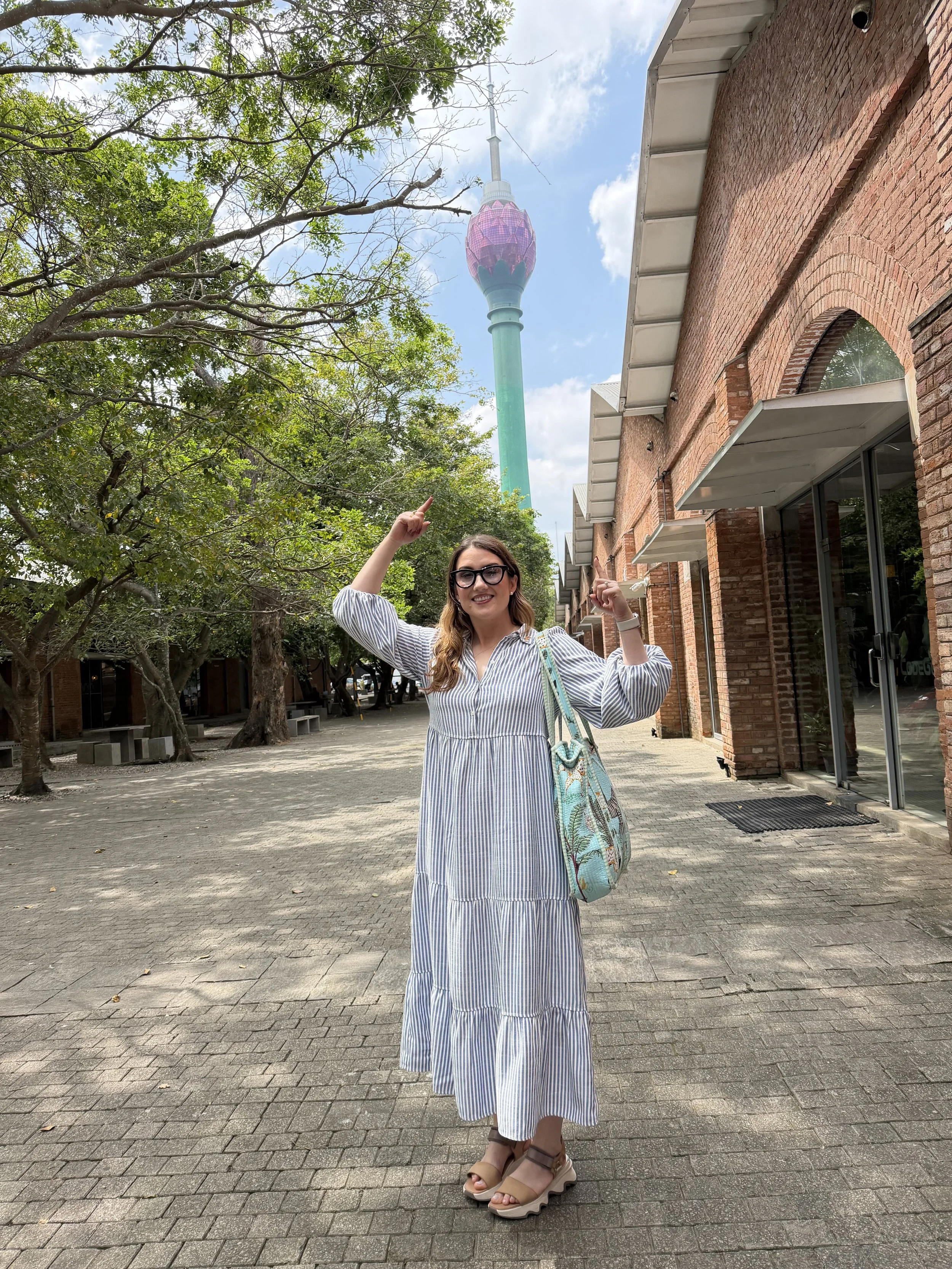
Our closing dinner took place at the top of the Lotus Tower in Colombo. The restaurant slowly rotates as you eat, completing a full circle of the city in about ninety minutes. Along the perimeter of the restaurant were food stations, so as the floor rotated you could try something new each time you passed them. It was a memorable way to wrap up the experience and reflect on everything we had seen and learned throughout the week.
Why Experiences Like This Matter
Programs like the Professional Fellows Program show what civic diplomacy actually looks like in practice. It is not just policy discussions or formal agreements. It is people sharing ideas, learning from one another, and building trust.
During the program we visited companies, met with leaders, explored communities, and talked about opportunities for collaboration between our countries. But many of the most meaningful moments happened in between those formal meetings. Conversations over meals, long drives between destinations, and moments where we realized how similar many of our challenges and ambitions really are.
By the end of the trip, India and Sri Lanka did not feel like places we had simply visited. They felt like places where real partnerships can grow.
For me personally, the experience was energizing and grounding at the same time. It reinforced something I have believed for a long time: innovation is happening everywhere. When we take the time to listen, collaborate, and build relationships, the possibilities become much bigger than any one of us could create alone.